google7fe7e6420122196f.html Preventive Medicine

Friday, October 2, 2009

Brief Reviews of Vegetarian Diets Health Effects


Many people in the world today choose to become vegetarian for several reasons. For their religious view, health concern, or sometimes their care for animals. Being Vegetarian means not eating meat, poultry or fish. other vegan diets exclude dairy products and eggs. Vegetarian and vegan diets can vary widely. These are some reviews from journals about the health effects of vegan diets.

In general, vegetarian diets provide relatively large amounts of cereals, pulses, nuts, fruits and vegetables. In terms of nutrients, vegetarian diets are usually rich in n-6 fatty acids, dietary fibre, carotenoids, carbohydrates, , folic acid, vitamin C, vitamin E and Mg, and relatively low in protein, saturated fat, long-chain n-3 fatty acids, retinol, vitamin B(12) and Zn; vegans may have particularly low intakes of vitamin B(12) and low intakes of Ca.


Cross-sectional studies have shown that on average they have a relatively low BMI and a low plasma cholesterol concentration; recent studies have also shown higher plasma homocysteine concentrations than in non-vegetarians. Very high homocysteine levels in the blood can damage the lining of the arteries. In addition, high homocysteine levels may make blood clot more easily than it should. This can increase the risk of blood vessel blockages. A clot inside your blood vessel is called a thrombus which can travel in the bloodsteam and get stuck in your lungs (called a pulmonary embolism), in your brain (which can cause a stroke) or in your heart (which can cause a heart attack.)

vegetarians have shown a moderate reduction in mortality from Ischemic Heart Disease but little difference in other major causes of death or all-cause mortality in comparison with health-conscious non-vegetarians from the same population.

vegetarian diets, particularly vegan diets, are associated with lower BMD, (bone mineral density) which is one of osteoporosis cause., but the magnitude of the association is clinically insignificant.
Studies of cancer have not shown clear differences in cancer rates between vegetarians and non-vegetarians.

There are some case reports related to vegan diets in http://lib.bioinfo.pl/meid:101681


Resources:
http://journals.cambridge.org/production/action/cjoGetFulltext?fulltextid=814552
http://lib.bioinfo.pl/meid:101681


Read More..

Sunday, March 22, 2009

Brain Aneurism: the Sudden Killer

What is actually brain aneurism?
well, i want to give you an illustration first.
I've got a female, 38 years old patient who suffered from haemorrhage stroke. She had 3 days coma, and then passed away. The family told that it was the first attack for her.No hypertension, or any systemic disease ever diagnosed for her. She had good diets, low salt, low fat. why did the stroke still happen to her? I've noted many cases, in which a healthy young people died because of hemmorhage stroke. What did actually happen to them?

An aneurysm (or aneurism)is a localized, blood-filled dilation (balloon-like bulge) of a blood vessel caused by disease or weakening of the vessel wall.
Aneurysms most commonly occur in arteries at the base of the brain (the circle of Willis) and in the aorta (the main artery coming out of the heart, a so-called aortic aneurysm). As the size of an aneurysm increases, there is an increased risk of rupture, which can result in severe hemorrhage or other complications including sudden death.
Though there are a number of likely causes, the cause is not always known. However, generally speaking, a brain aneurism is often the result of damage done to an artery. This damage may result from…
1.Genetic factors
2.Disease
3.Atherosclerosis
4.Injury
5.Infections
Bad lifestyle habits (tobacco use, alcoholism,) and copper deficiency
It is also a fact that brain aneurisms develop without any recognizable symptoms.
Some of methods to prevent this disease will not fully protect us aginst this disease.
Aneurisms can develop because of certain lifestyle choices we make. there are some things we can do to lower our risk. Four of them are particularly important. These are…
1.Keep blood pressure low
2.Maintain a balanced cholesterol profile
3.Don’t smoke
4.Reduce atherosclerosis build-up
The other thing that might be useful is doing general check-up, and if necessary you can ask for a brain CT Scan or MRI to your doctor.

Read More..

Friday, March 20, 2009

Gout Arthritis- Try some new ideas.......

Nowadays, Gout arthritis become common disease. Neither it’s caused by life-style changes or many other factors, it’s interesting to know how to prevent or to perform new methods to lower the uric acid level. Among humans, serum uric acid levels vary markedly. Premenopausal women, for example, have lower serum uric acid levels than men or postmenopausal women, since estrogen stimulates urinary urate excretion. Genetic differences in the regulation of uric acid synthesis, renal uric acid excretion, or both are also likely to be important, and these factors may account for some of the racial differences in the susceptibility to gout. Chronic lead intoxication from contamination of wine and food has also been implicated in the epidemics of gout that affected both the Roman Empire and Victorian England, since lead toxicity impairs the ability of the kidney to excrete uric acid. However, it has been postulated that a major mechanism underlying the development of gout is the excess ingestion of purine-rich foods and alcoholGout is characterized by excruciating, sudden, unexpected, burning pain, as well as swelling, redness, warmth, and stiffness in the affected joint. The patient usually suffers from two sources of pain. The crystals inside the joint and the inflammation of the tissues around the joint also causes the skin to be swollen, tender and sore if it is even slightly touched.

Diet
The serum level of uric acid is the primary risk factor for gout. The serum level is the result of both intake (diet) and output (excretion). Diet should be low fat and low protein.
A 2004 study suggests as beef and seafood) greatly increase the risk of developing gout. However, high-purine vegetable sources (such as asparagus, cauliflower, spinach, and green peas) did not. Dairy products such as milk and cheese significantly reduced the chances of gout.
intake of purines
A diet low in purines reduces the serum level of uric acid, unless these levels are caused by other health conditions and not as responsive to dietary changes. For notable sources of dietary purines, see "Foods to avoid" section below.
Men who consume two or more sugary soft drinks a day have higher risk of gout compared with those who drink less than one a month. Soft drinks contain large quantities of high-fructose corn syrup (HFCS), a common sweetener in soft drinks, which results in hyperuricemia in blood. Hyperuricemia, in turn predispose the body for gout.
Other approaches
The following suggestions do not meet with universal approval among medical practitioners.
Low purine diet:
§ To lower uric acid:
§ Tart cherries were reported to reduce uric acid in a small study. Tart cherry juice or tart cherry capsules are believed to help dissolve the needle-like crystals that deposit themselves between the joints and connective tissue.
§ Celery extracts (celery or celery seed either in capsule form or as a tisane/infusion) is believed by many to reduce uric acid levels (although these are also diuretics.Celery extracts have been reported to act synergistically with anti-inflammatory drugs
§ Cheese has been recommended as a low-purine foodand dairy products have been found to reduce the risk of gout.
§ Carbonated beverages and sugar have also been recommended as a low-purine food, even though it was established that men who consume two or more sugary soft drinks a day have an 85% higher risk of gout compared with those who drink less than one a month.
§ Dietary supplements Quercetin, a flavonoid, can decrease uric acid levels. Quercetin can be taken with bromelain to improve its absorption. In addition, Pantothenic acid (vitamin B5) is said to help with the excretion process of uric acid. Vitamin C has been demonstrated to increase excretion on uric acid and in turn lower serum urate levels.
§ Food to avoid:
§ Foods high in purines
§ Limit food high in protein such as meat, fish, poultry, or tofu to 8 ounces (226 grams) a day. Avoid entirely during a flare-up. Tofu has been proposed as a safe source of protein for gout patients due to its small and transient effect on plasma urate levels.
§ Sweetbreads, kidneys, liver, brains, or other offal meats.
§ Sardines and anchovies
§ Seafood.particularly shellfish such as clam, oyster, scallop, shrimp, crab, lobster, and crayfish.
§ Asparagus. Cauliflower. Mushrooms. Spinach. (Even though above says "Consumption of the more purine-rich vegetables or a high protein diet per se had no significant correlation.")
§ Dry beans (lentils & peas).
§ Alcohol. Ironically, red wines, particularly those produced by traditional methods, contain procyanidins released from grape seeds during wine making, which have been reported to lower serum uric acid levels by an indirect mechanism However, withdrawal of urate-lowering therapy is associated with recurrence of acute gouty arthritis.
§ Meat extracts, consommés, and gravies
§ Foods high in fructose, as discussed above, especially high-fructose corn syrup (HFCS) as main ingredient.
§ All soft drinks (non-diet), wherein HFCS is second ingredient next to water
§ Fruit preserves, jam, jelly
§ Syrup
§ Candy
§ To lesser extent, depending on fructose content, ice cream, cakes, and cookies
§ Foods high in sucrose, which is a double sugar consisting of glucose and fructose
Over the counter remedies
§ Sodium bicarbonate (baking soda) is a traditional remedy, thought to work by raising blood pH (lowering blood acidity). However, the added sodium may be inappropriate for some people.
§ Research from the University of British Columbia suggests long-term coffee consumption is associated with a lower risk of gout. Other studies extend this benefit to tea and other caffeinated foods and drinks.
§ Potassium supplements should be advantageous to treat gout. Gout can be triggered by the same agents that cause potassium losses such as fasting, surgery, and potassium losing diuretics. A potassium deficiency can increase urate levels in the blood.
§ Chondroitin sulfate reduces the rate of crystallization of uric acid in urine. This has been demonstrated in vitro, but has not been tested in clinical trial. One study shows an opposite effect.
§ Wu Jia Pi, the cortex of Siberian ginseng, can be used intermittently between outbreaks of gout in patients with a chronic condition to prevent future occurrences.

Source: http://wikipedia.com


Read More..

Friday, March 6, 2009

Boost Your Immune System!! Go Fasting!!!

Fasting has various effects on the immune system. It is good way to improve our health and our immune system. Fasting may lower plasma viscosity due to less traffic in the bloodstream (less fat, sugar, and protein). It can decrease your blood pressure, lower your heart beat, and control your cardiovascular system. The result of fasting on the immune system is amazing, you can detoxify years of toxic built up, in the immune system due to alcohol, drug and tobacco addiction in weeks.

Fasting may Increase Immune System Processes by several ways:
1.Elevate Macrophage Activity
2.Increase Cell-Mediated Immunity by the form of Lymphocytes
3.Increase Immunoglobulin Levels
4..Increase Neutrophil Bactericidal Activity
5.Heighten Monocyte Killing and Bacterial Function
6.Enhance Natural Killer Cell Activity:
For people that perform fasting by religious reason, they may reduce the stress or depression level ;thus may increase the immune system too., it can be explained by the psycho-humoral-neuro-immunology paradigm. So, let's start to do fasting. Even for diabetic patients, you can consult your doctor first, for changing the diabetic treatment schedule.

Read More..

Thursday, February 12, 2009

Diabetes prevention: recent method

Diabetes is divided into two main group, type 1 and 2, if you have genetic predisposition for developing this disease, you can take some prevention about this disease.
Type 1 Diabetes prevention.
Observational studies have shown that breastfeeding is associated with a lower incidence of type 1 diabetes.Other dietary factors being investigated include the active form of vitamin D, which is thought to help prevent the development of autoimmune diabetes and gluten since studies have shown that islet cell antibodies may disappear after a gluten-free diet in celiac patients
Type 2 Diabetes prevention
There are various risk factors for developing type 2 diabetes. One of the primary ones being obesity as defined by a body mass index of over 30 Other risk factors include increased age, a family history of diabetes, prior history of gestational diabetes, impaired glucose tolerance, physical inactivity and race/ethnicity
In recent years there has been an increase in type 2 diabetes related to changes in life style such as inactivity and diets rich in saturated fats. Approximately 80 per cent of people with type 2 diabetes are obese. Recently, a large clinical trial, the `Diabetes Prevention Program' (DPP),11 investigated whether diet and physical activity were more effective than metformin in preventing or delaying the onset of type 2 diabetes in subjects with impaired glucose tolerance and a family history of type 2 diabetes.
Moreover, reduction in fatty foods helps to lower the incidence of cardiovascular risk factors independent of weight reduction. People should be taught to select low- fat foods and their substitutes. They also have to reduce their portion sizes as it has been shown that overweight subjects tend to choose larger portions of high- fat foods and to underestimate their size. A higher intake of dietary fibre has also been related to a decrease in the risk for type 2 diabetes.
Risk factors for developing Type 2 diabetes
• Increased age
• BMI 25 or higher (overweight)
• Hypertension
• Very low HDL (high-density lipoprotein)-cholesterol levels (<40>
• Elevated triglyceride levels (>250 mg/dL or higher)
• Family history of diabetes
• Ethnicity
• Gestational diabetes or giving birth to a baby weighing > 9 pounds (4.1 kg)
• Inactive lifestyle
(Y.M Khazrai, S Manfrini, P.Pozzilli)

Read More..

Wednesday, January 28, 2009

Cholesterol Reduction-With Red Yeast Rice

One of the simple way to reduce our LDL cholesterol serum level is by consuming red Yeast Rice (Angkak Beras Merah in Indonesia). Red yeast rice is produced by solid-state fermentation of washed and cooked rice using Monascus purpureus. It has been used as a food preservative and colorant properties. In some journal, it is written that red yeast rice contains lovastatin, statin- type cholesterol lowering substance. Even in US, there's still a debate about the use of this red yeast rice by FDA, since lovastatin can only be bought by doctor's prescription. Usually doctor will advise you to change your lifestyle and food diets first before they prescribe a cholesterol lowering drugs. So consuming this kind of food will be good in our health, since it is natural food, and it contains the same cholesterol lowering substances.

Some studies showed, statistically significant reductions (16% to 31%) in total serum cholesterol compared with placebo or control or baseline. Adverse events experienced in clinical trials included stomachache, dizziness, heartburn and flatulence. No changes in laboratory tests were demonstrated. There was a case report of young man who developed anaphylaxis due to immediate sensitivity to M purpureus. Whether this is relevant to the oral administration of red yeast rice capsules is not clear.

Recommended way to cook this kind of red yeast rice, is by putting the rice into warm water for about 24 hours before you cook it, it makes several fungus grow, and fermentation process work well. And for other tips, is to consume all the cooked red yeast rice for one time. If it's consumed in other time, the effect will be different. Check your serum lipid level... try your red yeast rice for 2 weeks.....check it again.....is it true?

 RED RICE.......

Read More..

Sunday, January 18, 2009

Medical Malpractice Prevention, Tips For Patients


When I browse the internet about the medical malpractice prevention, I just found things about  suing the doctors, or choosing the medical malpractice lawyers. I haven’t found the tips for the patients  to prevent them from medical malpractice, before it’s happened. These are little tips from me to prevent you from medical malpractice.

  1. Ask any kind of information about any medical intervention, any side effects and any risk about them. You have the right to ask it to your doctor, before you sign the informed consent letter or use the prescribed drugs from doctor.
  2. You have the option to use second opinion before you choose any kind of therapy. You can ask the doctor about the best way to treat your disease, and any other methods to cure your disease. You can even ask to transfer to other better facility hospital, but some conditions need stabilization first, before doctors permit you to be transferred to other hospital, because the first hospital is still responsible for patient’s safety before and during the transfer process. So, some medical malpractice cases that told us, the patients weren’t permitted to leave the hospital are actually not true. It’s all about  the patient’s condition. If patient insist to be transferred to other hospital, they can sign letter, but hospital isn’t responsible for the patient no more.
  3. Tell about your whole medical history to your doctor. If you have any allergy, or gastritis, you can tell the doctor about it. It’s good way to prevent you from any drug’s adverse reaction to your special condition that the doctor might not know. Tell your previous doctor or quickly go to hospital when you see some signs and symptoms of drug allergy, such as urticaria, redness in skin, stomachache, nausea, vomitus, or any abnormal changes to your body that you haven’t experienced before you use the drugs.
  4. Medical malpractice is not only doctor’s fault. Many factors can lead to medical malpractice. One of them is about the drugs. Make sure that when you buy the drugs in the drug store, you buy the correct drugs, ask the pharmacist about the expiration date, ask them any side effects  if they change the drugs, because drug store sells generic and branded drugs.


Read More..

Monday, January 12, 2009

Medical Malpractice, tips for doctors

Nowadays, Medical malpractice is one common issue in medical world. Many reasons become the cause of this issue. These are several tips from me, to prevent us from medical malpractice, one thing that every doctors, and patients in the world doesn't want to experience.Me too... always pray to God,never deal with this kind of situation.

Tips for health workers:
1. Communication,have a good interaction with every patient, explain everything that they need to know. One most important aspect that lots of doctors forget is "EACH AND EVERY DOCTOR'S WORDS ARE THERAPY FOR THEIR PATIENTS". In my opinion, it's no use for doctors to tell how many years left for patient's life, or every word that can make patient feel more depressed. Feel free to offer the patient to have 'second opinion' to other doctor, if the patient wasn't sure about our decision. Lots of medical malpractice cases are caused mainly by lack of communication.

2. Always ask the 'informed consent' for every medical intervention. Except the life-threatening cases that don't need informed consent if there isn't any family or relatives of the patient.

3. Learn more. Medical literature is the base for our job. If our procedure is based on the medical literature, it lower the risk for medical malpractice.

4. In modern countries, doctors have fully malpractice-insured. In Indonesia, i think, only few doctors that have medical malpractice insurance. But, if doctors work in certain hospital, usually the hospital has kind of 'law'team to support the doctors, so maintain good relationship with our colleagues and other health workers in hospital where we work. Nobody likes 'cocky doctors'. Be an everybody beloved doctor.:)

to be continued.... (tips for the patients...)


good movie about good doctor

Read More..

Saturday, January 3, 2009

Stem Cell, in Indonesia

Stem Cell technology become one promising chance to cure many human diseases. Stem Cell technology belongs to not only doctors or medical researchers, but many people from many different fields. From zoologists to politicians, they all talk about this recent discovery that might change the face of medical world.

What does actually stem cell mean?
Stem cells are cells that found in most, multi cellular organisms, and they have ability to regenerate themselves through cell division, and differentiate into other cell types. The two main types of stem cells are embryonic and adult stem cells. The differences between them are in a developing embryo, stem cells can differentiate into all of the specialized embryonic tissues, in adult stem cells, they act as a repair system for the body, but can't differentiate into all kinds of human's cells.
One great debate about stem cell technology is about the embryonic stem cell. It's because starting a stem cell line, requires human embryo destruction or furthermore, human cloning just to make the embryo. Many countries are against this issue. In 2004, Indonesia has come to a uniform decision that they are against the human cloning, and stem cell technology that uses living creatures, such as an embryo. And recently, Indonesia has implemented this technology for curing patients with coronary heart disease.
Nowadays many researchers has developed the use of adult stem cell technology, and implemented it to many medical therapy, such as congenital heart diseases, alzheimer, parkinson, and many others.In recent studies, scientists have observed stem cells acting as anti-inflammatory agents, reducing swelling and even scarring when administered to injured tissue. That's why stem cell technology can be used to treat people with stroke, or diabetes, and many more diseases. And they all sound very promising, though the journey of the stem cell technology still needs many years to be proved.


Dolly-clone..how are you today

Read More..

Thursday, January 1, 2009

Acne Prevention-recent methods

There are many ways  to prevent acne, This section will give you some of recent methods to prevent this disease.

1. Understanding the disease (first thing to do to prevent any disease)
Acne vulgaris or common acne (also known as pimple and zits) is a disease of the hair follicle and its associated oil producing sebaceous gland. Teeenagers have overactive hormones, known as androgens. The hormones increase sebum production from the sebaceous glands. This condition makes P.Acnes, (the bacteria) which is a normal resident of the hair follicle increases in number due to the increased sebum.The main cause of acne is the effect caused by increased sebum secretion and the P.Acnes.

2.Preventive diets
Some of people believe that acne is caused mostly from the food. They said that eating chocolates, Nuts, drinking lots of soda cause acne. Back to number 1. The main cause is not the foods. Today, there are lots of acne prevention diets. Although only little credible research providing links between certain food groups and acne, they are still usefull. I don't give kinds of foods to be avoided, but i suggest some foods that might be usefull for acne prevention. Vitamin A and Zinc have helped with acne. Green Tea is believed to lower the androgens level. Fruits rich in antioxidant are very good to prevent acne (colorful fruits and vegetables). I suggest that if you have problems about foods causing acne breakout, you should try to write down the list of the foods, try to reduce the use of the foods, because there are some foods-induced acne type, such as wheat-induced acne, or milk-induced acne.

3. Skin cleansing
Skin cleansing is the effective way to prevent the P.Acnes activity. Cleanse your skin regularly, but don't do it so often. The skin produces its greatest volume of sebum and oil at approximately 1 to 2 o'clock in the afternoon and its least volume in the middle of the night. You can cleanse your skin with face-soap, neutral Ph. Don't scrub your skin if it has active acne. Change your face towel regularly, since it colects bacteria. Don't forget about your helmet, bandana,pillowcases, and hats.

4. Hormone regulation
the simplest thing about hormone regulation is 'avoid stress'. When under stress the body produces hormonal steroids, such as cortisol, that has same activities with other hormonal steroids (testosterone, dihydrotestosterone, etc.) these chemicals target the skin in a disruptive manner.

There are many different methods to prevent acne, i suggest to do the 4 things above, first. Then about acne treatment, if acne does occur, better to see your doctor. The use of anti acne-agents, such as Benzoyl peroxide, antibiotics, have serious side effects for your skin. In summary, Acne is preventable disease. There are many acne prevention methods available today. You can do things which suit you best. But remember, the good preventive method is the one that needs no drug or chemical use.


sponge bob-got acne?

Read More..

Thursday, December 25, 2008

Mesothelioma in Indonesia

Mesothelioma is one form of lung malignant cancer related with exposure of asbestos. Mesothelium become the place of this malignant cell. The commonest site is pleura, but there are some incidence that mesothelioma occurs in peritoneum, and pericardium. The victims of this disease are mostly workers with exposure of asbestos particles. The family, can be the victim of this disease too. There are reports about the risk of the family member to develop this disease by washing the clothes of the ‘asbestos or fiber’ worker, or by inhaling some dust brought by the worker in their home. There isn’t any association of the disease with smoking. But in some textbook, it’s told that for worker or person who can’t stop their smoking habit, it’s better not to apply or get close with ‘asbestos or fiber’ related work. It may because smoker’s lung which get asbestos exposure has worse prognosis than nonsmoker lung.

The incidence of mesothelioma in Indonesia hasn’t been known for sure. But in some community in Indonesia, this mesothelioma issue has become great discussion. The latest news about this issue came from NAD (Nanggroe Aceh Darussalam). It’s told in several Indonesian newspaper that in December 2008, People in NAD burned some houses provided by Yayasan Bakrie Grup through Badan Rehabilitasi dan Rekonstruksi (BRR) for Deah Raya citizen,  and there’re some Indonesian NGO  reported this case to International Human Right Organization.

The mesothelioma or asbestosis issue become more than health issue for people in the world. It become more political, economic, and law issue. Many organization, worker party, lawyers fight against the asbestos manufacturers. The liability resulting from the sheer number of lawsuits and people affected has reached billions of dollars. The amounts and method of allocating compensation have been the source of many court cases. But until today the US Congress has failed to enact significant asbestos reforms.

In Indonesia, many people don’t know about this disease. We still use asbestos materials to build houses. Even in some hospitals. Many doctors diagnose ‘malignant lung cancer’ but only few that diagnose the possible cause of the cancer.  And in this country, autopsy is not a common thing to state the diagnosis or someone’s causes of death. So the number of the mesothelioma victims in Indonesia, is still not well known.

Read More..

Sunday, December 21, 2008

Omega 3, dietary resources, health benefits

Omega 3 is a member of unsaturated fatty acid family, beside Omega 6. It contains, some essential substances, such as EPA, ALA, and DHA,  that have lots of beneficial effects on body. Omega 3 has opposite effects with omega 6. Omega-6 fatty acids tend to increase inflammation, blood clotting, and cell proliferation, while those from omega-3 fatty acids decrease those functions. To maintain optimum health, we have to balance both of them in our daily intake.

Some dietary sources of Omega 3:

1.Fish

Especially cold water oily fish such as salmon, herring, mackerel, anchovies and tuna. Oils from these fish have a profile of around seven times as much n−3 as n−6. Indonesian fish contains 0,1-0,5 g Omega 3 /100 g fish meat. Cold weather fish contains more, such as in Japan, the fish has 31,174 g Omega 3 /100 g fish meat Omega 3. Some Indonesian fish that contain high omega 3 are ikan sidat, terubuk, tenggiri, kembung, layang, bawal, seren, slengseng, tuna

2.Eggs

Eggs produced by chickens fed a diet of greens and insects produce higher levels of n−3 fatty acids (mostly ALA) than chickens fed corn or soybeans.

3.Meat

Meat from grass fed beef  contains more omega 3 than grain-fed beef,

The omega-3 content of chicken meat may be enhanced by increasing the animals' dietary intake of grains such as flax, chia, and canola.

Other sources

Milk and cheese from grass-fed cows

Krill, which are small, shrimp-like zooplankton And contain fewer heavy metals and PCBs harmful to humans. Wallnuts are one of few nuts that contain appreciable n−3 fat, Acai palm fruit also contains n−3 fatty acids.

Omega 3 is also found in softgels in pharmacies and nowadays it is also found in combination with omega 6, omega 9 and shark liver oil 

Some vegetables, too, contain a noteworthy amount of n-3, including brocolli and strawberries

Health benefits of Omega 3

1.reduce the risk of coronary geart disease

2 Treat people with certain circulatory problems, such as varises

3.reduce blood pressure

4.reduce triglyserid levels

5.reduces the risk of secondary and primary heart attack

6. become therapy for special conditions such as rheumatoid arthritis and cardiac arrhythmias.

7.Significant improvement in cases of depression and anxiety.

8.Reduce the risk of ischemic and thrombotic stroke

9. anticancer effects of n−3 fatty acids (particularly breast, colon and prostate cancer)

Omega-3 fatty acids reduced prostate tumor growth, slowed histopathological progression, and increased survival

10.reduce ADHD-related symptoms and autism  in some children.

11 reduce the incidence of preterm delivery and low birth weight.

Keep attention that very large amounts may actually increase the risk of hemorrhagic stroke. 3 grams of total EPA/DHA daily are considered safe with no increased risk of bleeding involved. And be careful for the use of Omega 3 in Congestive heart failure patients, which can trigger cardiac death


source: wikipedia


Read More..

Thursday, December 18, 2008

Arthritis Prevention

Have you ever diagnosed with arthritis? or Osteoarthritis? Or Rheumathoid Arthritis? If you don't want to experience those disease, you can do several tips from us

Arthritis prevention

1. Understanding the disease:

Arthritis is Inflammation of a joint, usually accompanied by pain, swelling, and stiffness, and resulting from infection, trauma, degenerative changes, metabolic disturbances, or other causes. It occurs in various forms, such as , osteoarthritis, or rheumatoid arthritis, bacterial arthritis. 

In osteoarthritis, the cartilage between two bones begins to wear down, causing stress between the two bones. This stress produces inflammation and occasionally bone spurs. Rheumatoid arthritis is an autoimmune disease where the immune system actually begins attacking the cartilage and synovial linings in the joints between bones.

In both of these forms of arthritis, inflammation is always present, which makes the situation even more painful than before. The main cause of these diseases is oxidative stress

The risk factors:

Six .near the age of 65, your chances of developing osteoarthritis improve exponentially.

Sports, have a job that requires repetitive motion throughout the day, or are engaged in any activity that, over time, consistently uses one or more joints on a regular basis, your chances of developing OA increase. 

Fat. Because of the increased weight strain on joints, obesity have a greater chance of developing osteoarthritis. 

Female . After the age of 65, women have a much higher risk of developing osteoporosis 

Factor Rheumatoid arthritis. If you've been diagnosed with rheumatoid arthritis - an autoimmune disease as you age, you can also develop osteoarthritis

2. , Modify the risk factors

 After you know somerisk factors, you can modify them to prevent arthritis. Maintaining a healthy weight can prevent you from developing arthritis in your knees. Exercising regularly is also a good means of protecting yourself against the occurrence of arthritis symptoms. Running is fine, if you do some warming up before and cooling down after. Practicing good posture for all the time. Eating right is another great measure of protection. Eat lots of fruits and vegetables, since Vitamin E is very useful for the protection.

3. Natural Food supplements:

There are some natural food supplements, that can prevent you from arthritis:

• Fish oil -. The omega-3 fatty acids found in fish oil are incredible defenses against oxidative stress. Japan has less number of people experiencing arthritis, since they consume more fish than others.

• Biovflavonoids - often found in colorful fruits and veggies, but are important in a nutritional supplement, as well. 

 • Vitamin C &Vitamin E - another important antioxidant to help prevent the cause of the disease. 

• Calcium - . You should take supplements of 800 mg to 1500 mg daily, calcium is the most important factor when slowing the progression of osteoporosis and a good level of vitamin D to help absorption. 

• Glucosamine sulfate - Inherently important in cartilage synthesis, glucosamine should be supplemented at levels of 1500-2000 mg per day to help rebuild cartilage and prevent pain. 

Source: http://www.symptomsofarthritis.com/arthritis-Prevention.html

Gattuso-one of supergastrocnemius icon of football-and joint?

Read More..

Monday, December 15, 2008

Higher and Lower Blood Pressure

Today, i agreed to take my friend's challenge to eat Satay Kambing (kind of Young Grilled Lamb) and Durian fruits altogether in the same time. Why it's called challenge, because for you know, in my country, eating satay, and eating durian are some general habit related to blood pressure increase. And for some people, they believe that they are one of major risk factor of Cerebrovascular accident. So, people said that eating durian and satay altogether will result in fast and straight cerebrovascular accident, or heart attack.
What's actually happened when eating durian and Satay?
It's all about the rising of blood pressure level, that people are affraid of. Is it true?
Yes for satay kambing. It do raise blood pressure level, and prohibited for people with high blood pressure, since it contains high cholesterol, and one of risk factors for developing heart attack, stroke, renal failure.
But, for durian?  there is still no scientific proof published claimed what substances contained in durian that can cause the stroke or heart attack. It is actually not the durian that causes the illnesses, but how many it is being consumed.
Then after 2 hours, we started to eat Starfruits, as many believe that it will lower blood pressure level. Is it true?
Star fruit's kernel texture that a lot of aqueous also fibrous, pretty good to smoothen digestion function and clears intestine from crust fat that tending begets constipation. It contains Vitamin C, that can lower blood pressure.The better choice is 'little type' starfruit that's very sour. It has more vitamin C, and believed to be able to lower blood pressure fast.


Read More..

Saturday, December 13, 2008

Is honey dangerous for diabetes patients?

There are many discussions about the use of honey in diabetes mellitus patient. As we know, honey contains fructose, nutritive sugar, (and seems to be able to raise blood glucose level of diabetes patients) that is different with i.e., saccharine, as non nutritive sugar, which often advised for diabetes mellitus patients. Thus, for some years ago, the use of honey is contraindicated for diabetes patients.

But today, many researches show the beneficial effect of honey in diabetes patients.

In some articles, fructose is defined as a substance that doesn’t need insulin to be changed into glycogen. So it can be safely consumed by diabetes patients.

 (1) honey raises only low glycemic level compared with other sugar.  

(2) Other sugar and natural processed honey can raise triglyserid level, but natural unprocessed honey lower triglyserid and raise HDL (good cholesterol).

(3)  25 days natural unprocessed honey consumption can lower total cholesterol and LDL (bad cholesterol), and raise HDL level. (good cholesterol)

On diabetic patients, natural honey can lower total cholesterol, LDL, and CRP. Honey can increase insulin level better than sucrose. (Ali Waili, 2004)

 Honey can lower prostaglandin levels in plasma of normal person. After consuming 250 ml of water containing 1.2 g/kg body weight of natural unprocessed honey, once a day, for 15 days, plasma concentrations of thromboxane B2, PGE2, and PGF2a were decreased by 48%, 63%, and 50%, respectively. (Ali Waili, 2003). In general, prostaglandins are thought of as mediators of inflammation in the body. Both prostaglandins and thromboxanes have been implicated in immune suppression and atherosclerosis

 Pure honey, especially from the wild has multifactor anti-bacterial, haemostatic and nutritious properties, explained Dow University of Health Sciences (DUHS) Prosthodentics Department Head and Dental Care for Physicians Programme Director Prof. Dr Muhammad Amin.

 Pure honey is used to maintain oral hygiene and various inflammatory problems of the teeth and gums such as gingivitis periodontitis, plaque and caries,

Open ulcers are better healed with honey when applied locally instead of medicated gel, ointments or creams. In one case of Hepatic Cirrhosis, the ulcer of the mouth and tongue were completely healed with honey, while selective therapy did nothing good for the case.

.The antibacterial properties of honey, both the peroxide and non-peroxide, are effective against several strains of bacteria which are notoriously resistant to antibiotics (Heggers 1987). Other topical uses of honey include treatment and healing of eczema and masking of acne (Green 1988). Health benefits of honey use include anti-allergic properties.The anti-oxidant effects of honey (Gheldof et al 2002) would thus make it a useful adjunct in the management of diabetes mellitus.

 In conclusion, there are many researches show the beneficial effect of honey in diabetes mellitus patients. Some of the mechanisms are, however, not well understood. It can be concluded that the use of moderate amount of honey isn’t contraindicated in diabetes mellitus persons, and even has some beneficial effects.


Read More..

Tuesday, December 9, 2008

Smoke on....

Smoking is one fine way to reach lung cancer. So many methods have been tried to reduce or avoid smoking addiction. The new drugs that have been developed by Pharmacy company are Chantix/ Champix (Varenicline) and Zyban. Chantix works by stimulating the dopamine release, the brain chemical that mediates pleasure. Chantix can reduce irritability and other withdrawal symptoms that people addicted to tobacco feel when they try to quit and make them to light up again. Nicotine replacement products (Zyban,patch, gum, lozenges) all work by prompting the release of low levels of dopamine. It blocks nicotine receptors in the brain that makes smoking less pleasurable.

They Sound promising, but when i try to look at the internet.. i just want to laugh when i read article from person that was failed to continue Champix programme. In 12 weeks Chantix clinical trial, 56% of those who took Chantix were not able to quit smoking. Well, i guess the most principal thing to do is having strong willingness to stop smoking. There are lots of technique, one of them is in this site. Psychological methods probably can do better than medical-chemical intervention. 

tips from me, non-smoker person for smoker addict:

KNOWING WHAT YOU WANT TO EXPECT...
BE POSITIVE (LOSE YOUR FAILURE THOUGHTS, BELIEVE YOURSELF)


 (Slash-too shy to be an artist-choose to smoke)


Read More..

Wednesday, December 3, 2008

Watch out for ANTHRAX....

Last week, I read an article on newspaper about anthrax disease in Boyolali, Central Java. A-4 years old child got various clinical symptoms that appeared to be similar with anthrax disease. For you know, boyolali is one of area in Indonesia that often report anthrax outbreak (last report was on 1990). Most of the people there work as cattle farmer, and Boyolali is famous for its milk producing cows. That article reported that the child had nose and fecal bleeding, high fever, and massive diarrhea. It's like intestinal-anthrax symptoms.In addition, the child had an animal-contact history, since he loves to play along with cows near his house.

Since, next Monday is Idul Adha (one of holidays in Islam),  and lots of people here want to celebrate and consume tons of meat.  I think I’d love to write some facts about this Anthrax disease from the CDC, .

Hope this useful..
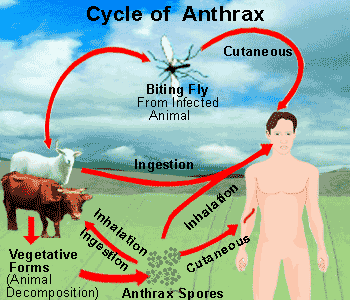
 

Anthrax is an acute infectious disease caused by the spore-forming bacterium Bacillus anthracis. Anthrax most commonly occurs in wild and domestic lower vertebrates (cattle, sheep, goats, camels, antelopes, and other herbivores), but it can also occur in humans when they are exposed to infected animals or tissue from infected animal

Anthrax infection can occur in three forms: cutaneous (skin), inhalation, and gastrointestinal. B. anthracis spores can live in the soil for many years, and humans can become infected with anthrax by handling products from infected animals or by inhaling anthrax spores from contaminated animal products. Anthrax can also be spread by eating undercooked meat from infected animals. It is rare to find infected animals in the United States

Symptoms of disease vary depending on how the disease was contracted, but symptoms usually occur within 7 days.

Cutaneous: Most (about 95%) anthrax infections occur when the bacterial spore enters a cut or abrasion on the skin, such as when handling contaminated wool, hides, leather or hair products (especially goat hair) of infected animals. Skin infection begins as a raised itchy bump that resembles an insect bite but within 1-2 days develops into a vesicle and then a painless ulcer, usually 1-3 cm in diameter, with a characteristic black necrotic (dying) area in the center. Edema or swelling of the surrounding tissues may develop and lymph glands in the adjacent area may swell. About 20% of untreated cases of cutaneous anthrax will result in death. Deaths are rare with appropriate antimicrobial therapy.

Inhalation: Initial symptoms may resemble a common cold. After several days, the symptoms may progress to severe breathing problems and shock. Inhalation anthrax is usually fatal, and even with aggressive antibiotic and supportive therapy ,45% of inhalation anthrax cases were fatal .

Intestinal: The intestinal disease form of anthrax may follow the consumption of contaminated meat and is characterized by an acute inflammation of the intestinal tract. Initial signs include nausea, loss of appetite, vomiting, fever are followed by abdominal pain, vomiting of blood, and severe diarrhea. Symptoms may also include lesions and soreness in the throat, difficulty swallowing, marked swelling of the neck and regional lymph glands. Intestinal anthrax results in death in 25% to 60% of cases.

 Person-to-person transmission is extremely unlikely and has only reported with cutaneous anthrax, where discharges from skin lesions are potentially infectious.  Communicability is not a concern in managing or visiting with patients with inhalation anthrax.

 In countries where anthrax is common and vaccination levels of animal herds are low, humans should avoid contact with livestock and animal products and avoid eating meat that has not been properly slaughtered and cooked. Also, an anthrax vaccine has been licensed for use in humans. The vaccine is reported to be 93% effective in protecting against anthrax.

A common feature of anthrax in animal is that animals in apparently good condition die suddenly without showing overt signs of ill health. Acute cases in cattle, sheep and wild herbivores are characterized by fever, depression, difficulty in breathing and convulsions. Animals may die within two or three days if not treated. It is common to see bloody discharges from natural openings. In few instances, anthrax can manifest itself as a mild disease characterized by general malaise. In pigs, the disease is characterised by swelling of the throat, which may cause difficulties in breathing. In dogs, cats and wild carnivores, the disease resembles that seen in pigs.

Although the chance of getting anthrax through your mail is remote, a simple precaution you can take is to be sure to wash your hands thoroughly with soap and water after handling your mail.

The anthrax vaccine is manufactured and distributed by BioPort, Corporation, Lansing, Michigan. The vaccine is a cell-free filtrate vaccine, which means it contains no dead or live bacteria in the preparation. The final product contains no more than 2.4 mg of aluminum hydroxide as adjuvant. Anthrax vaccines intended for animals should not be used in humans

The Advisory Committee on Immunization Practices has recommended anthrax vaccination for the following groups:

  • Persons who work directly with the organism in the laboratory 
  • Persons who work with imported animal hides or furs in areas where standards are insufficient to prevent exposure to anthrax spores.
  • Persons who handle potentially infected animal products in high-incidence areas. (Incidence is low in the United States, but veterinarians who travel to work in other countries where incidence is higher should consider being vaccinated.) 
  • Military personnel deployed to areas with high risk for exposure to the organism (as when it is used as a biological warfare weapon). 
  • Pregnant women should be vaccinated only if absolutely necessary.

The immunization consists of three subcutaneous injections given 2 weeks apart followed by three additional subcutaneous injections given at 6, 12, and 18 months. Annual booster injections of the vaccine are recommended thereafter.

 Anthrax is diagnosed by culture and isolation of the causative bacterium, B. anthracis; by detecting the bacterial DNA or antigens; or by measuring specific antibodies in the blood of persons with suspected cases.  The bacteria can be cultured from the blood, skin lesions, fluid from the lungs or respiratory secretions, spinal fluid, or other affected tissues prior to the start of antibiotic treatment.   Detection of the DNA or antigens of the bacteria, and detection of antibodies in the blood of suspected cases, are important tools for diagnosis because positive culture is unlikely after antibiotic treatment has been started. 

Doctors can prescribe effective antibiotics. To be effective, treatment should be initiated early. If left untreated, the disease can be fatal. Some of antibiotics that can be used to treat this disease are .Some of the different medications in the prevention of Anthrax include:

DisperMoxMoxilinGen-AmoxicillinLin-AmoxPMS- AmoxicillinAcroxil-Amobay-Amoxifur-AmoxilAmoxinovagAmoxisolAmoxivetAmpliron-ArdineFlemoxonGimalxinaGrunicinaHidramoxMoxlinPenamoxPolymoxServamoxSolciclinaXalyn-OrBioThrax


Read More..

Tuesday, December 2, 2008

The Magic of Vitamin C on Diabetes

When i browse the internet, i find so many sites that explain about the magic of Vitamin C. Even i found a blog about Vitamin C freak club.. Well, i believe that in years later, the vitamin c will become one of main therapy for some disease, not just for the adjuvant therapy. So now, i try to consume vitamin C in my daily diets. Now, i found an interesting article about diabetes prevention and therapy by the use of Vitamin C.


Higher plasma vitamin C levels linked with lower diabetes risk

In the July 28, 2008 issue of the American Medical Association journal Archives
of Internal Medicine,researchers at Addenbrooke’s Hospital and the University of
Cambridge in England report an association between higher plasma vitamin C
levels in middle-aged adults and a lower risk of developing type 2 diabetes.
The study included 21,831 healthy, nondiabetic participants in the European
Prospective Investigation of Cancer-Norfolk study, which was created to examine
the association between diet and cancer. Vitamin C levels were measured in
plasma, and food frequency questionnaires were administered upon enrollment
between 1993 and 1997. Over a twelve year follow-up period, 423 men and 312
women developed diabetes.
Analysis of the data revealed a strong protective effect of high vitamin C levels against diabetes. Participants in the top 20 percent of plasma vitamin C had a 62 percent lower adjusted risk of developing diabetes compared with those in the lowest fifth. Fruit and vegetable intake also emerged as protective. Those whose intake was in the top fifth had a 22 percent lower
diabetes risk than subjects whose intake was lowest.
To the authors’ knowledge, the study is the first to examine the association of plasma vitamin C and the development of diabetes. The findings suggest that suboptimal levels of vitamin C are present before the onset of the disease.
Increased oxidative stress, defined as an imbalance between reactive oxygen species levels and antioxidants, can result in
glucose metabolism disturbances and elevated blood sugar. The authors write that the abundant phytochemicals, minerals
and vitamins, including vitamin C, in fruit and vegetables have antioxidant properties that may be responsible for the protective
effect against diabetes observed in the current study. Additionally, individuals whose fruit and vegetable intake is greater tend
to have lower levels of obesity, which is a strong risk factor for diabetes as well as a promoter of oxidative stress.
“The strong independent association observed in this prospective study, together with biological plausibility, provides
persuasive evidence of a beneficial effect of vitamin C and fruit and vegetable intake on diabetes risk,” the authors conclude.
“Because fruit and vegetables are the main sources of vitamin C, the findings suggest that eating even a small quantity of fruit
and vegetables may be beneficial and that the protection against diabetes increases progressively with the quantity of fruit and
vegetables consumed.”

Diabetes
Several preclinical studies evaluated vitamin C’s role during
mild oxidative stress. The aqueous humor of the eye provides
surrounding tissues with a source of vitamin C. Since animal
studies have shown that glucose inhibits vitamin C uptake,
this protective mechanism may be impaired in diabetes (Corti
A et al 2004).
Supplementation with antioxidant vitamins C and E plays an
important role in improving eye health (Peponis V et al 2004).
High vitamin C intake depresses glycation, which has
important implications for slowing diabetes progression and
aging (Krone CA et al 2004).
Vitamin C, through its relationship to sorbitol, also helps
prevent ocular complications in diabetes. Sorbitol, a sugar-like
substance that tends to accumulate in the cells of people with
diabetes, tends to reduce the antioxidant capacity of the eye,
with a number of possible complications. Vitamin C appears
to help reduce sorbitol buildup (Will JC et al 1996).
Vitamin C also has a role in reducing the risk of other diabetic
complications. In one clinical study, vitamin C significantly
increased blood flow and decreased inflammation in patients
with both diabetes and coronary artery disease (Antoniades C
et al 2004). Three studies suggest that vitamin C, along with a
combination of vitamins and minerals (Farvid MS et al 2004),
reduces blood pressure in people with diabetes (Mullan BA et
al 2002) and increases blood vessel elasticity and blood flow
(Mullan BA et al 2004).

Read More..